
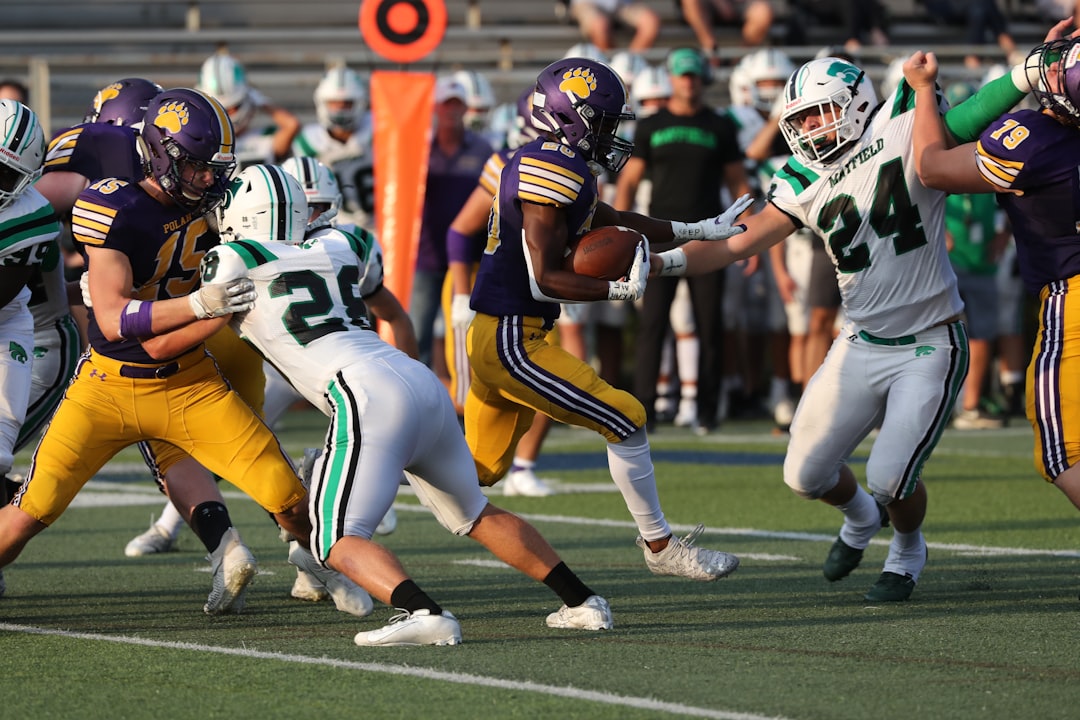
Navigating the labyrinth of fantasy drafts requires a blend of strategic foresight and adaptability. In the ever-evolving world of fantasy sports, having a robust draft strategy is crucial for building a championship-caliber team. Let’s dive into some key considerations for your draft, focusing on player roles, usage trends, and understanding the floor and ceiling of your picks.
Understanding Player Roles and Usage Trends
More Draft Strategy: All Draft Strategy coverage | Latest: Draft Strategy Trends: Mastering the Art of Fantasy Football.
One of the first steps in crafting a successful draft strategy is understanding player roles within their respective teams. A player’s role can dramatically influence their fantasy value. For instance, a running back who is the clear lead back in a team’s offense will naturally have more opportunities to score points compared to a committee backfield situation, where touches are split.
Usage trends from the previous season can provide a valuable window into potential future performance. A wide receiver who saw a significant increase in targets in the latter half of the previous season might be poised for a breakout year. However, beware of small sample sizes or late-season anomalies, and consider other factors like coaching changes or new player acquisitions that might alter a player’s expected role.
Balancing Floor and Ceiling in Your Picks
Building a balanced team requires paying attention to both the floor and ceiling of your draft picks. The “floor” represents a player’s baseline performance expectation, while the “ceiling” is their maximum potential output. Early in the draft, prioritize players with a high floor. These are your reliable workhorses, the ones who consistently deliver week after week.
As you move into the middle and later rounds, it’s wise to start swinging for the fences with high-ceiling players. These are the players who, if everything breaks right, could win you weeks single-handedly. However, they often come with risks, such as injury history or uncertain roles. Balancing these picks with safer options can mitigate potential pitfalls.
Decision Points and Draft Execution
Every draft presents decision points that can define your season. A pivotal moment often comes when deciding between two players who are similarly ranked. In these situations, consider factors like bye weeks, matchups during playoff weeks, and team strength. Prioritize players who are positioned to face softer defenses or play in high-scoring offenses.
Executing a successful draft strategy also involves remaining flexible. Sticking rigidly to a pre-set plan can lead to missed opportunities. If a top-tier player unexpectedly falls to you, be ready to adjust your strategy accordingly. Conversely, if a positional run depletes a particular pool of players, don’t panic. Trust your preparation and be ready to pivot to the best available player or to address other needs.
In summary, a thoughtful draft strategy hinges on understanding roles and usage trends, balancing floor and ceiling, and making informed decisions at key points. Stay flexible, and let the draft come to you. With the right approach, you can construct a team that not only competes but thrives throughout the fantasy season.
Related links & resources
More Draft Strategy coverage
Explore more draft strategy stories on our site:
- Draft Strategy: Redefining the Narrative in Real Time
- Draft Strategy Trends: Analyzing Fantasy Roles and Usage
- How Draft Strategy Bettors Are Sizing Up Current Matchups
View all Draft Strategy articles
External resource: More stats and information.