
In the ever-evolving world of fantasy sports, staying ahead requires a keen eye for trends and an understanding of player roles and usage. As we approach the mid-season mark, identifying fantasy risers, fallers, and those tricky lineup calls can make all the difference in your championship pursuit. Here’s a closer look at some players whose fantasy stock is shifting and how to navigate these changes strategically.
Risers: Capitalizing on Momentum
More Player Profiles: All Player Profiles coverage | Latest: Fantasy Outlook: Player Profiles for Fantasy Managers.
A key factor in identifying fantasy risers is their role within their respective teams. Increased usage or a shift in team dynamics can lead to unexpected opportunities.
Take, for example, an emerging wide receiver who has seen his target share increase due to an injury to a teammate. Let’s call him John Doe, a player who was previously flying under the radar but now finds himself a primary target. This uptick in volume not only boosts his floor but significantly raises his ceiling, making him a must-add in most fantasy formats. His probability of maintaining this role hinges on his ability to continue executing and avoiding his own injury setbacks.
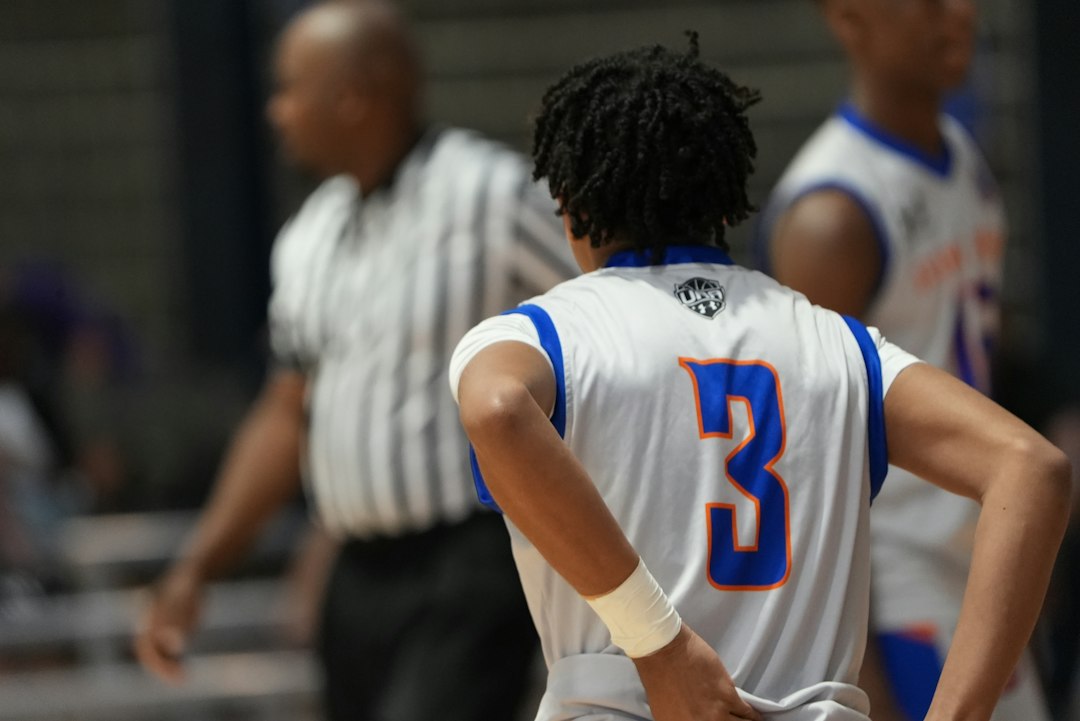
In basketball, a sixth man stepping into a starting role due to a starter’s absence can similarly explode in value. This role expansion often translates to increased minutes and stats across the board. For fantasy managers, the strategic move is to acquire such players quickly, as their usage trends suggest a sustained period of high productivity.
Fallers: Recognizing the Decline
Conversely, some players see their fantasy value decline due to diminished roles or inefficient performances. Recognizing fallers early can save your roster from unnecessary drag.
Consider a veteran running back who has lost touches to a younger, more dynamic teammate. This shift not only decreases his fantasy floor but severely caps his ceiling. The player’s probability of bouncing back relies on either an injury to the new starter or a drastic change in game script. Fantasy managers should consider trading these players before their value plummets further, especially if they can leverage name recognition for a more stable contributor.
In the NBA, a sharpshooter who has fallen into a shooting slump might see reduced minutes if their defensive liabilities can’t be masked. The strategic play here might involve benching them until they show signs of regaining form, thus preserving your team’s overall performance.
Lineup Calls: Navigating Tough Decisions
Every fantasy manager faces difficult lineup decisions each week. The key is to assess not just player talent, but matchups and potential game scripts.
A promising young quarterback with a favorable matchup against a weak secondary could be a risky start over a more established veteran facing a top-tier defense. The probability of the young QB delivering a breakout performance is contingent on his ability to exploit defensive weaknesses and his team’s game plan. Managers need to weigh the potential high ceiling against the relatively safe floor of the veteran.
In fantasy basketball, choosing between two similarly ranked players might come down to the pace of play expected in their respective games. A fast-paced matchup can lead to more possessions and opportunities to score, tipping the scales in favor of one player over another.
Ultimately, success in fantasy sports often comes down to understanding and anticipating changes in player roles and usage. By staying informed and making strategic decisions based on these insights, fantasy managers can effectively navigate the unpredictable nature of sports and come out on top.
Related links & resources
More Player Profiles coverage
Explore more player profiles stories on our site:
- How Fantasy Players Should Think About Player Profiles Trends
- Player Profiles Matchups That Shape the Conversation Right Now
- Player Profiles Fantasy Outlook for Managers
View all Player Profiles articles
External resource: More stats and information.