
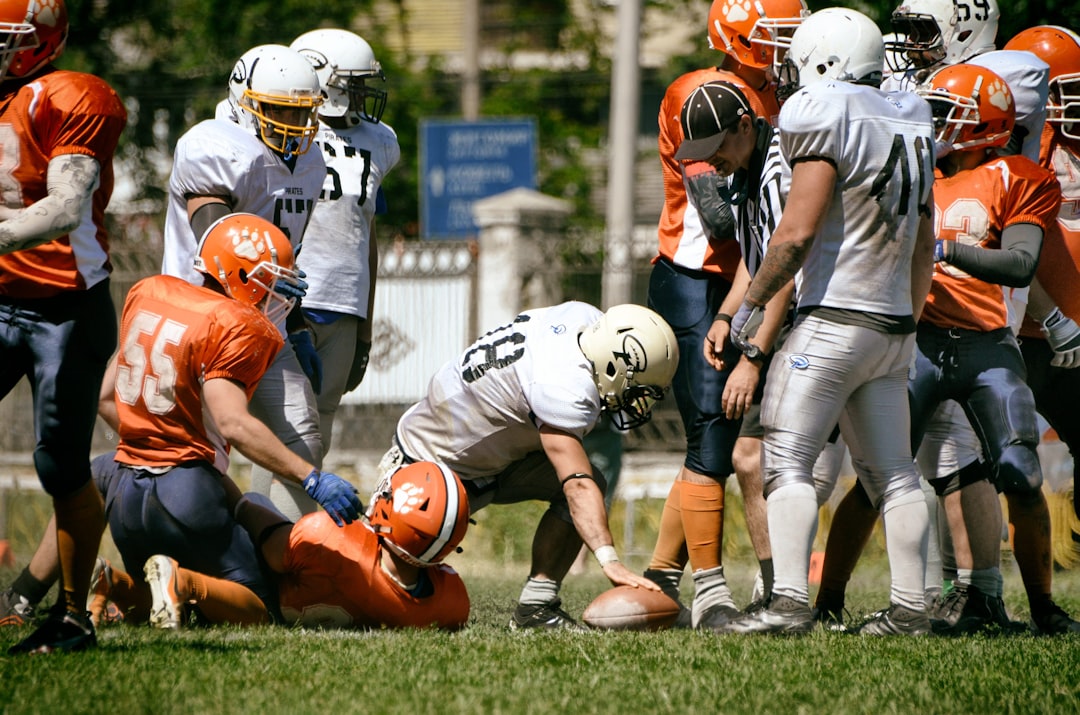
In fantasy sports, injury updates can dramatically shift the landscape, altering player roles, usage trends, and ultimately, the decision-making calculus for managers. As we navigate through the current season, several key injury situations demand close scrutiny and strategic response. Here’s a detailed analysis focused on fantasy implications, exploring roles, volume, and potential outcomes.
Emerging Opportunities from Injured Starters
More Injury Updates: All Injury Updates coverage | Latest: Injury Updates Storylines Worth Tracking Over the Next Stretch.
When a prominent player goes down, the immediate question for fantasy managers is: Who fills the void? Injuries to starters can elevate bench players into significant roles, offering both heightened floor and ceiling potential. Consider a scenario where a starting running back in the NFL is sidelined. The backup, previously a benchwarmer with limited usage, now sees increased snap counts and touches. This shift doesn’t just raise his floor—given the guaranteed volume—but also his ceiling, especially if his skill set suggests potential for breakaway plays.
For example, if a team’s lead back, known for his high-volume rushing, is injured, his direct backup becomes a must-add. The backup’s performance in past limited opportunities, his team’s offensive line efficiency, and upcoming matchups all factor into his projected success. In such cases, the probability of a backup becoming a weekly starter hinges significantly on the team’s offensive scheme and the player’s ability to handle increased workload.
Impact on Team Dynamics and Usage Patterns
Injuries can also lead to a reshuffling of roles beyond the direct replacements. For instance, in the NBA, the absence of a star player might not only boost the secondary scorer but also increase the usage of role players. This trickle-down effect can often be seen when a key playmaker is injured, leading to more ball-handling duties for other guards or forwards.
Managers should analyze past games where similar situations occurred to gauge potential outcomes. If a point guard is out, the shooting guard or small forward might see a spike in assists and scoring opportunities, depending on their skill set and the coach’s system. It’s crucial to identify which players are most likely to step up and fill the statistical void left by the injured star, as this can mean the difference between a bench player and a fantasy starter.
Long-Term Strategy: Risk and Reward
Fantasy managers must weigh the risk of holding onto injured players against the potential reward of their successful return. This decision often revolves around the estimated recovery timeline and the player’s historical performance post-injury. For those in keeper or dynasty leagues, the calculus might differ, emphasizing future potential over immediate gains.
In redraft leagues, if a player is expected to miss significant time, managers must decide whether to stash them on an injured reserve spot or cut bait and seek immediate contributors. Evaluating the player’s injury history, the likelihood of reinjury, and the availability of viable replacements on the waiver wire are all critical components of this decision.
Ultimately, injury updates present both challenges and opportunities in fantasy sports. By focusing on the nuances of player roles, usage trends, and strategic decision points, managers can navigate these waters with increased confidence, maximizing their chances of success in both the short and long term.
Related links & resources
More Injury Updates coverage
Explore more injury updates stories on our site:
- The Game-Changing Impact of Injury Updates on Teams and Players
- Navigating Injury Updates: Betting Angles and Traps to Avoid
- Sizing Up Matchups: The Impact of Injury Updates on Betting Strategies
View all Injury Updates articles
External resource: More stats and information.