
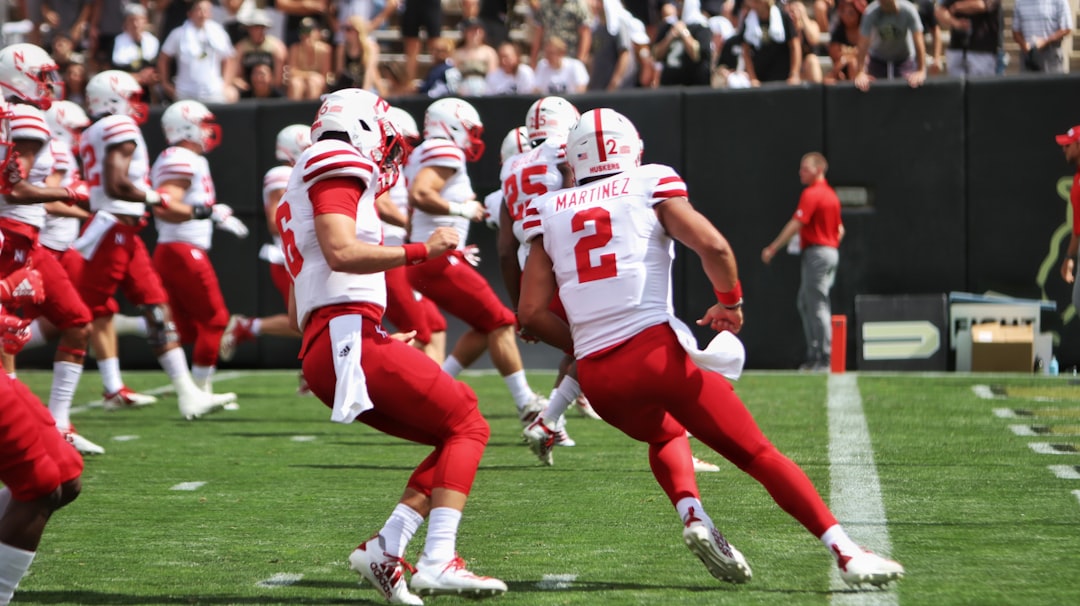

College football is more than just a sport; it’s a cultural phenomenon that captivates fans and bettors alike. With a season full of unexpected upsets and thrilling finishes, understanding the odds, trends, and betting behavior of fans can offer insights into this dynamic landscape. Let’s dive into how bettors approach the college football season, considering implied probabilities, risk management, and social conversations around these bets.
Understanding Implied Probabilities
More College Football: All College Football coverage | Latest: Smart Betting Angles and Traps to Avoid in College Football.
When examining college football odds, it’s crucial to convert those odds into implied probabilities. This helps bettors assess the likelihood of a particular outcome. For instance, if a team is listed with odds that imply a 60–65% chance of winning, bettors need to weigh this against their own analysis of the matchup, considering factors like quarterback performance, defensive schemes, and red-zone efficiency.
Bettors often discuss these probabilities in social settings, trading insights on team strengths and weaknesses. A fan might say, “I think Team A’s got about a 60% shot given their explosive play potential,” which reflects a nuanced understanding of both the odds and the on-field realities. It’s this blend of statistical analysis and fan intuition that makes college football betting so engaging.
Risk Management in College Football Betting
Every bet carries risk, and savvy bettors approach each wager with a focus on expected value (EV). This concept involves assessing whether the potential reward justifies the risk. For example, if a team’s odds suggest only a 40–45% chance of winning, but you believe their recent uptick in pace and trench dominance gives them a better shot, the bet might offer positive EV.
Risk management also involves diversifying bets and not overcommitting to any single outcome. Fans often share strategies on forums and social media, discussing how they balance their betting portfolios. They might say, “I’m spreading my bets across a few underdogs this week,” reflecting a cautious approach that mitigates potential losses and capitalizes on variance.
Social Dynamics of Betting Conversations
The social aspect of college football betting cannot be overstated. Fans engage in lively discussions about odds and game strategies, often sharing insights and predictions. These conversations can shape betting behavior, as fans influence each other’s perceptions of team capabilities and game outcomes.
Imagine a group of friends debating a high-profile matchup. One might argue, “Team B’s red-zone efficiency has been top-notch; they could surprise us this weekend.” Such discussions are not just about sharing information; they’re about building narratives that can sway betting decisions. The collective wisdom—or folly—of the crowd plays a significant role in shaping betting trends.
Players to Watch / Quick Stats
While we’re covering the league broadly, it’s essential to keep an eye on standout players who can tip the scales of any game. Quarterbacks with high completion rates and low turnover ratios are always in the spotlight, as are defensive units excelling in sacks and interceptions. These players and units often become focal points in betting discussions, as fans assess how individual performances might influence game outcomes.
In conclusion, college football betting is a rich tapestry of probabilities, risk management, and social dynamics. Whether you’re a seasoned bettor or a curious newcomer, understanding these elements can enhance your appreciation of the game and your betting strategy. Always remember to keep a cautious eye on variance and enjoy the unpredictable thrill that is college football.
Related links & resources
More College Football coverage
Explore more college football stories on our site:
- Smart Betting Angles and Traps to Avoid in College Football
- Smart Betting Angles and Traps to Avoid in College Football
- College Football Storylines Worth Tracking Over the Next Stretch
View all College Football articles
External resource: More stats and information.