
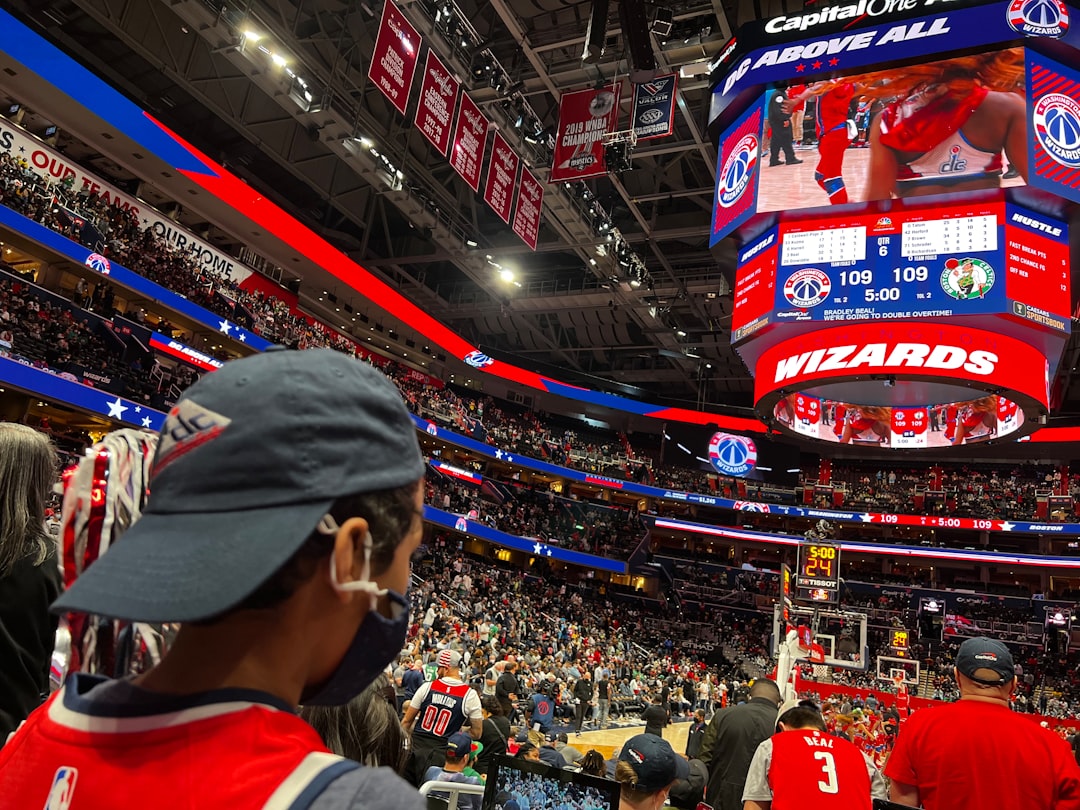

Understanding NBA team trends is crucial for fantasy basketball managers aiming to optimize their lineups. As the season progresses, these trends can highlight shifts in player roles, usage rates, and provide insights into potential floor and ceiling outcomes. Let’s dive into how you can leverage team trends for your fantasy success.
Analyzing Roles and Usage Trends
More NBA Teams: All NBA Teams coverage | Latest: Redefining the NBA Narrative: Teams and Players Changing the Game.
In fantasy basketball, understanding a player’s role within their team is paramount. This involves recognizing who the primary ball handlers are, who gets the most touches, and who is likely to take the last shot in crunch time. Teams that undergo coaching changes or roster adjustments often see significant shifts in these roles. For instance, a team dealing with injuries might elevate a bench player to a starting role, thereby increasing their usage and fantasy value.
Usage trends can be a goldmine for fantasy managers. A player with a high usage rate is more involved in the team’s offense, translating to more opportunities for points, assists, and rebounds. Tracking these trends can help you identify players who are on the rise or those who might be facing a decline due to changes in the team’s dynamics. It’s essential to monitor these shifts regularly, as they can be subtle but impactful over the course of a season.
Floor and Ceiling: Understanding Ranges of Outcomes
Every fantasy player has a range of outcomes, often referred to as their floor (worst-case scenario) and ceiling (best-case scenario). Team trends can significantly affect these ranges. For example, a player on a high-paced team with a focus on offense might have a higher ceiling due to more possessions and scoring opportunities. Conversely, players on teams with strong defensive strategies might have a lower floor but also a more consistent output.
To make informed decisions, consider the team’s pace, offensive efficiency, and defensive schemes. A player in a fast-paced, high-scoring environment will generally have a higher ceiling, while those in slower, more methodical systems might offer a safer floor. Balancing these factors can help you construct a lineup that maximizes potential while minimizing risk.
Decision Points: Matchups and Execution
Matchups play a pivotal role in fantasy basketball, and understanding team trends can aid in exploiting favorable ones. A team facing a weak defensive opponent might provide a boost to its players’ fantasy values, while a matchup against a top-tier defense could suppress output. Look for trends in opponent performance, such as how teams defend specific positions or their vulnerability to certain play styles.
Execution on the court also matters. Teams that are executing well, with high assist-to-turnover ratios and efficient shooting percentages, often elevate the fantasy potential of their players. Conversely, teams struggling with turnovers or poor shooting might see their players’ fantasy values dip.
In conclusion, staying on top of NBA team trends requires vigilance and a keen eye for detail. By understanding roles, usage trends, and how these translate to floor and ceiling outcomes, fantasy managers can make strategic decisions that align with current team dynamics. Keep an eye on matchups and execution to fine-tune your approach and stay ahead in your fantasy league.
Players to Watch / Quick Stats
– **Player A**: Increased usage due to an injury on the team, leading to a higher ceiling.
– **Player B**: Benefiting from a high-paced team environment, offering a solid floor.
– **Player C**: Facing a tough defensive matchup, which may affect his typical output.
By focusing on these elements, fantasy managers can better navigate the complexities of the NBA season and make informed decisions to enhance their team’s performance.
Related links & resources
More NBA Teams coverage
Explore more nba teams stories on our site:
- Redefining the NBA Narrative: Teams and Players Changing the Game
- NBA Teams Fantasy Risers, Fallers, and Lineup Calls
- Key Fantasy Decision Points in NBA Teams
External resource: More stats and information.