
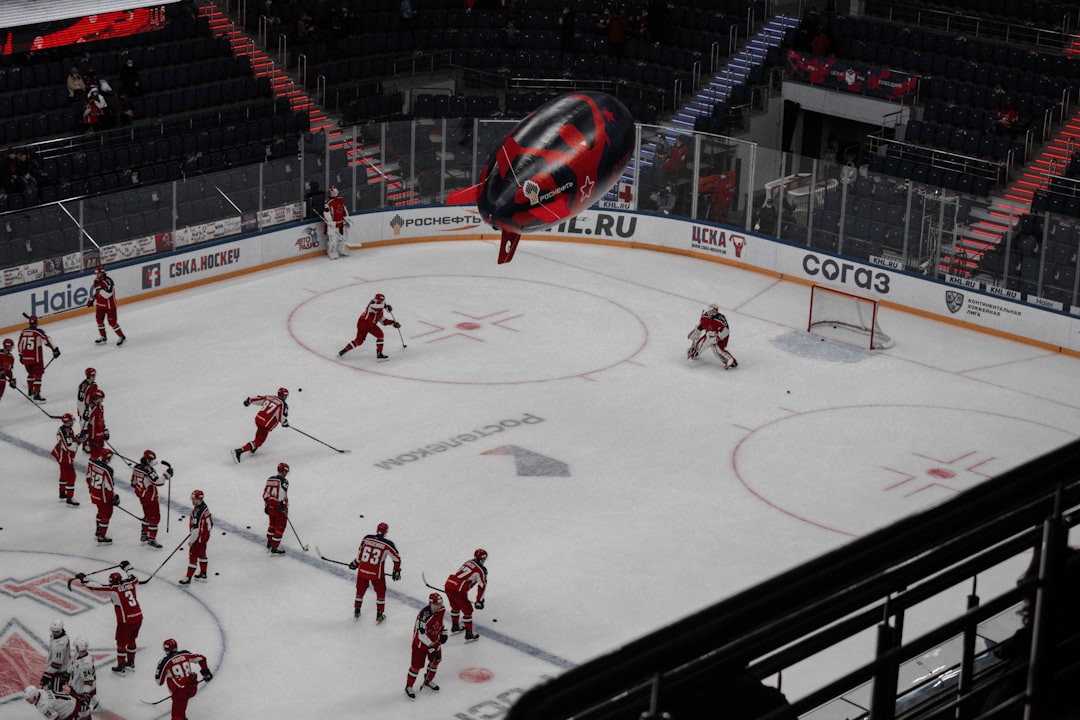
As the NHL season skates into its final weeks, fantasy managers are sharpening their strategies, hoping to clinch those coveted playoff spots. With player roles evolving and teams jockeying for position, understanding usage trends and potential outcomes is crucial. Here’s a league-wide perspective to help guide your roster decisions.
Understanding Player Roles and Usage Trends
More NHL Teams: All NHL Teams coverage | Latest: Key Fantasy Decision Points in NHL Teams.
In fantasy hockey, roles and usage are king. Players who see significant ice time, especially on power plays, provide more opportunities for points. For instance, top-line forwards and first-pair defensemen often have higher floors due to their consistent involvement in the game. Managers should keep an eye on players who are consistently logging 20+ minutes per game, as their usage suggests trust from coaches and steady production potential.
Emerging stars like young forwards breaking into top-six roles or defensemen gaining power-play quarterback duties can offer high ceilings. These players might not yet have the name recognition but can be fantasy gold if they maintain or increase their roles.
Floor and Ceiling: Balancing Consistency and Upside
When constructing your fantasy roster, balancing players with high floors and those with high ceilings is key. A high-floor player, such as a veteran second-line winger with consistent point production, provides stability. Meanwhile, a high-ceiling player, like a rookie with a scoring touch, can be a game-changer during pivotal matchups.
For example, consider a team with a solidified top line known for its scoring prowess. The second-line center might have a lower floor but could explode in games against weaker defensive teams, offering a higher ceiling on specific nights. Managers should weigh the likelihood of these breakout performances against the reliability of steady contributors.
Decision Points: Matchups and Execution
Matchups can heavily influence fantasy outcomes. Teams playing against those with weak penalty kills present prime opportunities for power-play specialists. Similarly, goalies facing high-shot-volume teams might have increased save opportunities, which could lead to higher points in leagues that reward saves.
Managers should also consider recent trends and injuries. A team missing a key defenseman might see its goals-against average rise, while a forward thrust into a top-line role due to injury might suddenly become a must-start. Staying informed about these developments can offer a strategic edge.
Players to Watch / Quick Stats
– **Rising Stars**: Keep an eye on young forwards stepping into top-six roles, as their increased ice time can lead to breakout performances.
– **Power-Play Specialists**: Players logging significant power-play minutes can capitalize on weak penalty-killing teams.
– **Reliable Veterans**: Consistent performers with stable roles offer high floors, crucial for maintaining a balanced roster.
In conclusion, the NHL landscape is dynamic, and fantasy managers must be equally adaptable. By focusing on roles, usage trends, and strategic matchups, you can optimize your roster for the final push. Stay vigilant, and may your fantasy team skate to victory!
Related links & resources
More NHL Teams coverage
Explore more nhl teams stories on our site:
- Key Fantasy Decision Points in NHL Teams
- Key Fantasy Decision Points in NHL Teams
- Smart Betting Angles and Traps to Avoid in NHL Teams
External resource: More stats and information.